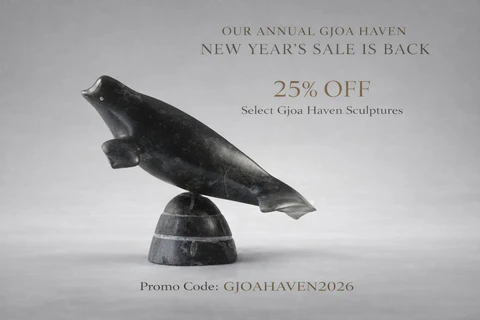
Art has long been appreciated for its beauty, cultural meaning, and emotional value. But for many collectors and investors, art can also play a role as an alternative investment. Among the many categories of collectible art, Inuit art stands out as a unique blend of cultural heritage, craftsmanship, and long-term value potential.
While Inuit art should first be appreciated for its cultural significance, it has increasingly attracted attention from collectors who recognize its investment qualities. This article explores Inuit art as an investment—its background, value drivers, risks, and why it deserves thoughtful consideration.
Understanding Inuit Art
Inuit art originates from Indigenous communities across the Arctic regions of Canada. It includes sculptures, prints, drawings, and textiles that reflect daily life, spirituality, wildlife, and ancestral stories.
Common Forms of Inuit Art
- Stone sculptures (often soapstone or serpentine)
- Limited-edition prints and lithographs
- Drawings and carvings
- Traditional crafts
Each piece carries deep cultural meaning and is often produced using techniques passed down through generations.
Why Inuit Art Attracts Collectors
Inuit art is not mass-produced. Its value comes from authenticity, tradition, and scarcity.
Cultural Authenticity
Inuit art is closely tied to identity and storytelling. Collectors value pieces that genuinely reflect Inuit traditions rather than commercial imitations.
Limited Supply
Many Inuit artworks are created in small quantities or as one-of-a-kind pieces. Unlike modern reproductions, supply is naturally limited.
Growing Global Recognition
Museums, galleries, and collectors around the world increasingly recognize Inuit art as an important cultural and artistic category, not just a regional craft.
Inuit Art as an Alternative Investment
Art investments differ significantly from traditional financial assets.
Long-Term Value Perspective
Inuit art tends to appreciate slowly over time rather than delivering rapid price increases. Its value is more closely tied to:
- Artist reputation
- Historical significance
- Condition and provenance
This makes it suitable for patient, long-term collectors.
Low Correlation With Financial Markets
Art prices do not move in direct correlation with stock markets. During periods of market volatility, collectible art may retain value due to cultural and collector demand rather than economic cycles.
What Drives the Value of Inuit Art?
Not all Inuit art pieces carry the same investment potential.
Artist Recognition
Works by well-known or historically significant Inuit artists tend to command higher prices and stronger long-term demand.
Age and Era
Earlier works—especially from the mid-20th century—are often more sought after due to rarity and historical importance.
Condition and Craftsmanship
Damage, repairs, or excessive wear can significantly reduce value. High-quality craftsmanship remains a key factor.
Provenance and Documentation
Clear records of origin, artist attribution, and exhibition history enhance credibility and resale potential.
Prints vs. Sculptures: Investment Differences
Inuit Prints
- Often produced in limited editions
- More affordable entry point
- Easier to store and display
However, edition size and print quality play a major role in value.
Inuit Sculptures
- Usually one-of-a-kind
- Greater material and labor input
- Higher price range
Sculptures tend to attract serious collectors but require careful handling and storage.
Risks and Limitations
Like any alternative investment, Inuit art carries risks.
Illiquidity
Art cannot be sold instantly like stocks. Finding the right buyer may take time.
Market Knowledge Required
Inuit art markets require specialized knowledge. Without research, buyers may overpay or purchase lower-quality pieces.
Authentication Concerns
Buyers should work with reputable dealers, galleries, or auction houses to avoid misattributed or non-authentic works.

Ethical Considerations
Investing in Inuit art comes with responsibility.
Respecting Cultural Value
Inuit art is not just a commodity. Ethical collectors respect the artists and communities behind the work.
Supporting Indigenous Artists
Purchasing from reputable sources helps ensure artists and communities benefit fairly from their work.
Ethical collecting often enhances long-term value and reputation.
How Inuit Art Compares to Other Art Investments
Compared to Contemporary Art
Contemporary art can be trend-driven and volatile. Inuit art tends to be more stable and culturally grounded.
Compared to Fine Art Masters
Inuit art is generally more accessible in price but offers meaningful cultural depth and growing recognition.
This balance appeals to collectors seeking both value and meaning.
Building a Thoughtful Inuit Art Collection
Successful art investing starts with education.
Practical Tips
- Study artists and regional styles
- Visit galleries and museums
- Buy pieces you genuinely appreciate
- Keep documentation and care records
Enjoyment and patience are essential components of long-term success.
Long-Term Outlook for Inuit Art
Interest in Indigenous art continues to grow globally. As awareness increases and supply remains limited, well-chosen Inuit artworks may continue to gain recognition and value over time.
However, appreciation should be viewed as gradual rather than guaranteed. Cultural importance—not speculation—is the foundation of long-term value.
Final Thoughts
Inuit art as an investment represents more than financial potential. It offers cultural connection, artistic integrity, and a tangible link to history and tradition. While it may not deliver quick profits, it can provide meaningful long-term value for collectors who approach it with respect, patience, and understanding.
For those seeking an alternative investment that combines cultural significance with enduring appeal, Inuit art deserves thoughtful consideration—not just as an asset, but as a legacy.
Summary:
Exploring Inuit art from the Arctic north as potential investments
Keywords:
inuit, eskimo , art, investment, canada, arctic
Article Body:
Many people collect Inuit art as investments. Inuit art is growing internationally but it has been suggested that the number of actual Inuit artists are actually declining. The creation of the Nunavut government which represents Canada’s third official territory, has resulted in many new employment opportunities for the Inuit, particularly the younger ones. Carving and the entire process of bringing back suitable stone from distant quarries to their own communities are hard work for Inuit art carvers. Many young Inuit prefer to pursue less physically demanding careers such as regular nine to five, weekday only government office occupations. As government offices grow, so will the local businesses to support them which create even more local jobs for Inuit people. These trends are not only
affecting Inuit males but also females as well. As more young Inuit women move towards a ‘southern’, i.e., more North American lifestyle, Inuit art drawing, wall tapestry and doll making will be less attractive skills to learn compared to office or retail skills.
Many master Inuit art carvers are also expert hunters. They get to see the Arctic animals regularly resulting in excellent representations in their Inuit carvings and other artwork. Many young Inuit these days prefer not to hunt since northern community grocers have reduced a need to hunt for food. As a result, the accuracy of carvings by some younger, non-hunting Inuit artists may be affected since they may not have the familiarity of Arctic animals like older master carvers do.
All of these developments may lead to the demand for good, high quality Inuit art surpassing supply. This will in turn cause a future appreciation of value for good Inuit art. Of course, characteristics of each piece must be taken into consideration. However, most art experts recommend against buying any type of art purely for investment purposes only. Art should be appreciated for its esthetic value. If a certain artwork doesn’t increase in value as hoped, then at least one would still have a lovely piece of art to look at. If one finds a piece of Inuit art that he or she really likes and can afford, then it should be purchased since the opportunity to own that one of a kind piece will probably not come around again.


Leave a Reply